Adipic Acid
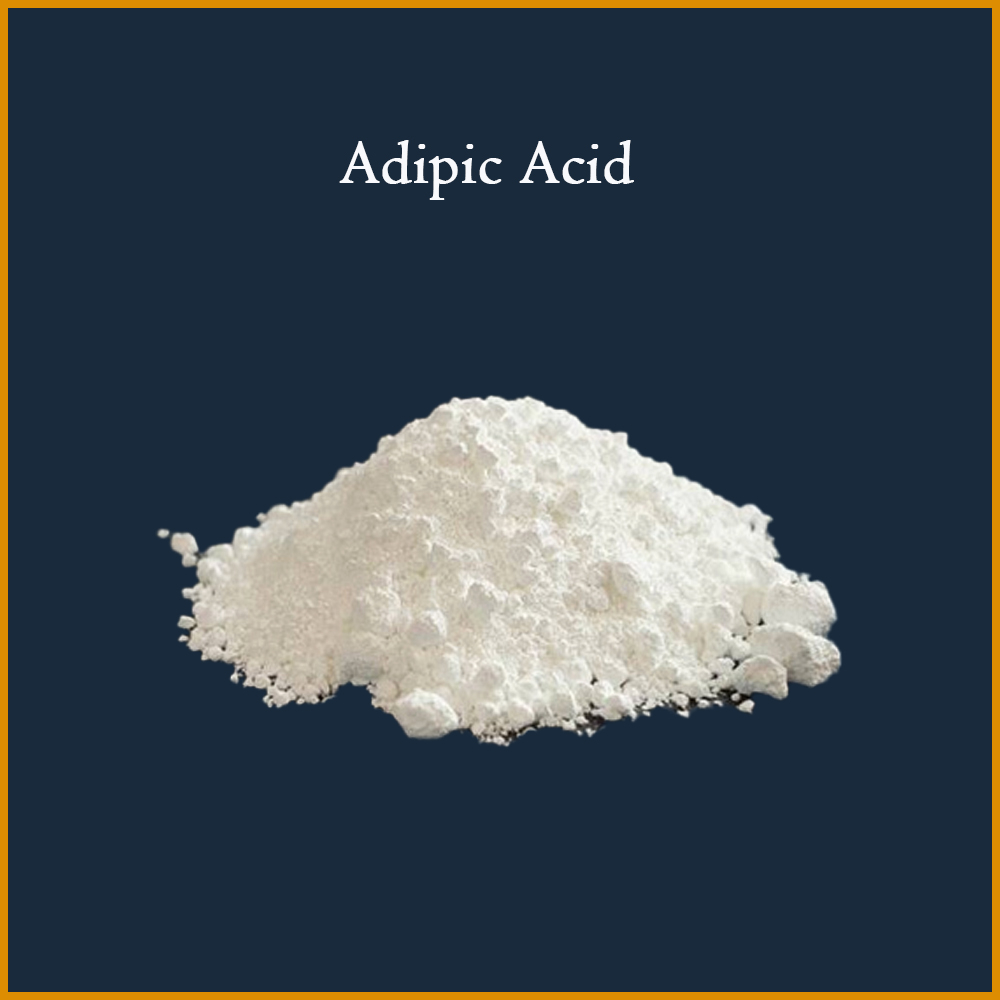
Adipic acid, also known as hexanedioic acid, is a type of carboxylic acid organic compound. It appears as a non-toxic, tasteless white crystalline powder, slightly soluble in water, and acidic when dissolved in water. Adipic acid is highly soluble in boiling water, easily soluble in methanol and ethanol, soluble in acetone, slightly soluble in water and cyclohexane, sparingly soluble in ether, and insoluble in benzene and petroleum ether.
Get a quote
Adipic Acid
Molecular formula: C6H10O4
CAS Number:124-04-9
————————————————————————————————————————
Properties
White crystalline powder, slightly soluble in water, and acidic when dissolved in water. Adipic acid is highly soluble in boiling water, easily soluble in methanol and ethanol, soluble in acetone, slightly soluble in water and cyclohexane, sparingly soluble in ether, and insoluble in benzene and petroleum ether
————————————————————————————————————————
Adipic acid, as a basic building block for various chemical products, is so far the most important aliphatic dicarboxylic acid in industrial production.
Synthetic fibers: Adipic acid is an important raw material for the production of synthetic fiber nylon 66 (polyhexamethylene adipamide).
Plastics: It is a major raw material for polyamides, polyurethanes, important intermediates, engineering plastics, biodegradable plastics, polyurethane resins, synthetic leather (PU), synthetic rubber, etc.
Lubricants: Used to manufacture synthetic high-grade lubricants.
Food additives: In small quantities, it is used as a food acidulant and as a substitute for tartaric acid in baking powder, yeast purification, and as a flavoring agent control.
Others: It can also be used to manufacture insecticides, adhesives, synthetic dyes, ester plasticizers and textile treatment agents, pharmaceutical intermediates, new single-crystal materials, coatings, soldering flux, and other productions.
————————————————————————————————————————
Packing : 25kgs/500kgs/1000kgs/1200kgs
Loading: 26 MT/20’GP,
Safety: Adipic acid is of low toxicity but has certain corrosive and irritating properties. The oral LD50 for rats is 273 mg/kg, and for mice is 1900 mg/kg. Therefore, special attention to safety issues is required during production and use, and operators must be specially trained and strictly follow operating procedures.
Storage: Adipic acid should be stored in a cool, ventilated, and rainproof warehouse, away from fire and heat sources. It should be stored separately from oxidizers, reducers, and alkalis, and must not be stored together.
Transportation: During transportation, adipic acid should be properly packaged and securely loaded. Ensure that containers do not leak, collapse, fall, or get damaged. It is strictly forbidden to transport together with oxidizers, reducers, alkalis, or edible chemicals. During transportation, exposure to sunlight, rain, and high temperatures should be prevented.
————————————————————————————————————————
Specification:
| No. |
Item |
Specification |
Result |
| 1 |
Appearance |
White crystal powder |
| 2 |
Assay % ≥ |
99.8 |
99.81 |
| 3 |
Melting point ℃ % ≥ |
152.0 |
152.2 |
| 4 |
APHA color ≤ |
3.0 |
0.42 |
| 5 |
Moisture %≤ |
0.2 |
0.19 |
| 6 |
Ash ppm ≤ |
4.0 |
1.5 |
| 7 |
Iron ppm ≤ |
0.2 |
0.05 |
| 8 |
Nitric Acid ppm ≤ |
1.0 |
N.D |